Canadian crop readingAbout the edition
Prairie Grain

Canadian crops, grain and agricultural landscapes

An entire landscape, in a grain.

Prairie Grain follows Canadian crops from field characteristics to grain handling and food ingredients. Explore wheat classes, canola breeding, pulse biology and the language of grain quality through clear articles grounded in public agricultural research, official references and museum education.

Crops and ingredients

Wheat has a class before it becomes flour

The word wheat covers crops with different milling and baking characteristics. Canadian wheat classes describe some of those differences. A second set of terms, used after milling, describes which parts of the kernel remain in the flour that reaches a kitchen.

Read the story
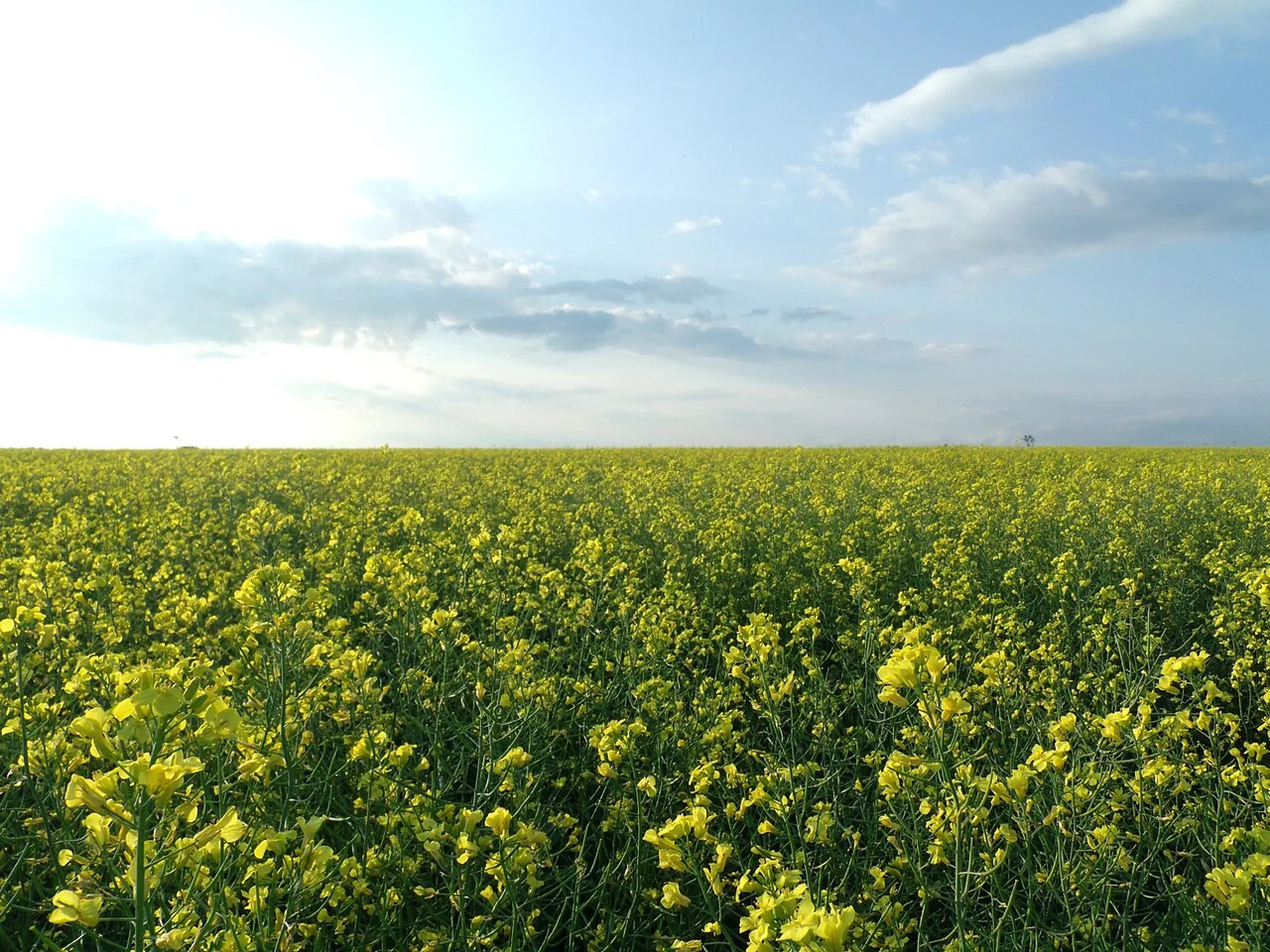
A field of flowering yellow canola in Saskatchewan.
A canola field in Saskatchewan, photographed in July 2014.Tungilik · CC0 1.0

Soil biology

The small partnership beneath a pulse crop

Peas, lentils and other pulse crops are associated with a remarkable root partnership. Bacteria help convert atmospheric nitrogen into a form the plant can use. The benefit depends on the crop, its growing conditions and what remains in the field after harvest.

Read the story
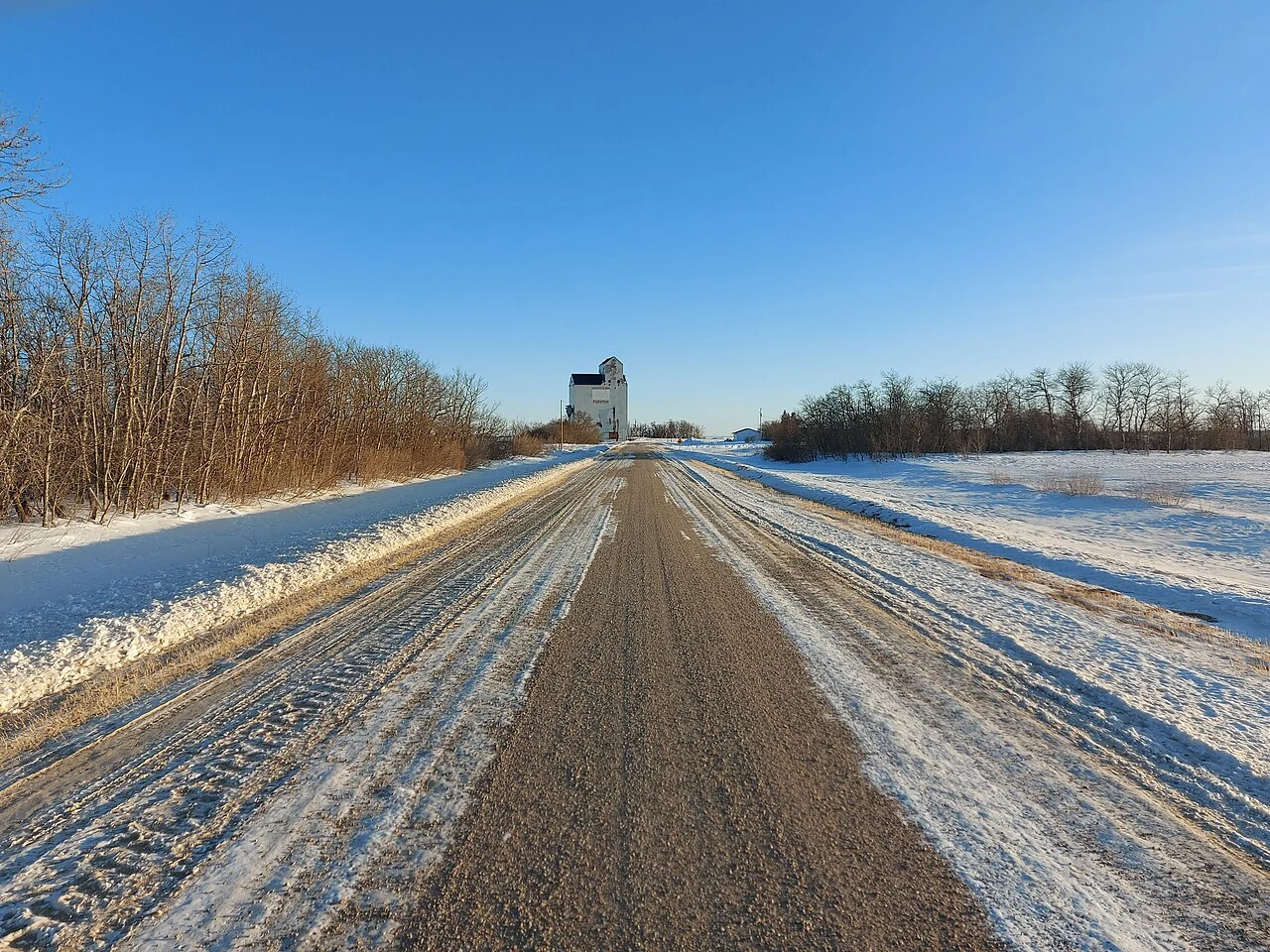
The grain elevator in Parkman, Saskatchewan.
A grain elevator in Parkman, Saskatchewan, photographed in March 2023.Masterhatch · CC0 1.0

Harvest vocabulary

What a wheat sample can tell a grain inspector

Grain quality begins with a sample and a careful vocabulary. The Canadian Grain Commission distinguishes material removed during cleaning from characteristics assessed in the cleaned grain. That distinction helps explain why dockage, foreign material and kernel condition mean different things.

Read the story